
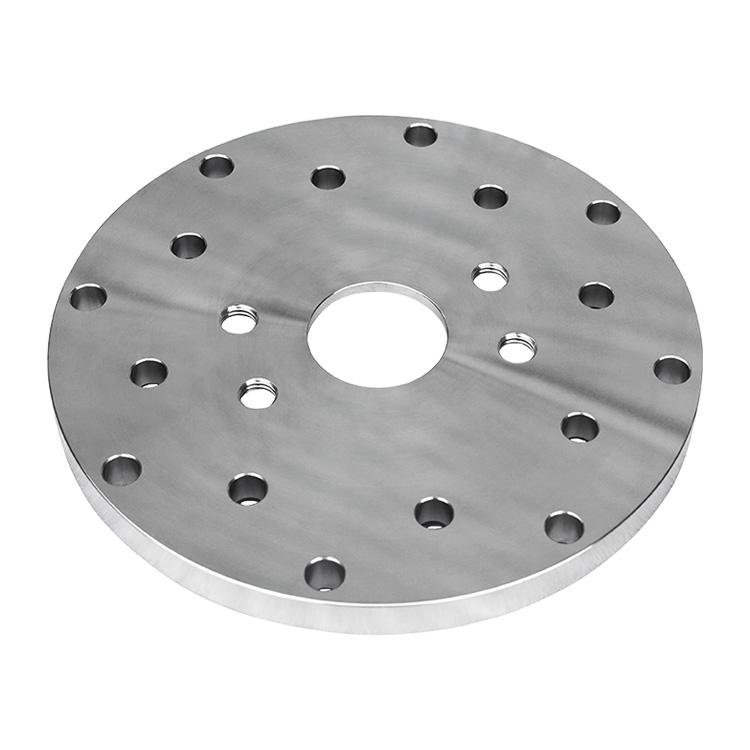
A high strength slip-on flange is a widely used pipe connection component designed for industrial piping systems that require reliable sealing, straightforward installation, and strong mechanical performance. In many process, utility, and infrastructure applications, slip-on flanges are valued for their ability to simplify pipe assembly while still supporting high-pressure and high-temperature service conditions when properly specified. For engineers, procurement teams, and industrial buyers, understanding the structure, advantages, dimensions, materials, and application scenarios of a high strength slip-on flange is essential for selecting the right product for long-term system stability.
This guide provides a comprehensive overview of high strength slip-on flanges for industrial pipe systems. It covers the definition, working principle, design features, benefits, material choices, dimensional standards, pressure classes, manufacturing considerations, and common applications. The information below is written in clear, SEO-friendly English and can be inserted directly into an HTML page for a blog article, category page, product guide, or industry resource page.
A slip-on flange is a type of pipe flange designed to slide over the outside diameter of a pipe before welding. Once positioned correctly, the flange is secured with fillet welds on both the inside and outside surfaces. The term high strength slip-on flange typically refers to a slip-on flange manufactured with robust material grades, accurate dimensional control, and mechanical properties suitable for demanding industrial environments.
Unlike some other flange types that require more complex preparation or precise pipe-end machining, a slip-on flange is relatively easy to align and install. This makes it a practical choice for many industrial pipe systems where installation efficiency matters. The “high strength” aspect is especially important in systems exposed to pressure fluctuations, vibration, thermal cycling, and corrosive media.
In industrial piping, the slip-on flange is often selected when engineers need a cost-effective and dependable flange connection that can still deliver strong load-bearing capability and long service life. It is commonly used in water treatment systems, chemical processing lines, HVAC networks, oil and gas piping, power generation facilities, shipbuilding, and general industrial pipelines.
The working principle of a slip-on flange is straightforward. The flange bore is slightly larger than the pipe’s outer diameter, allowing the pipe to slide through the flange opening. During installation, the flange is positioned at the correct depth, then welded to the pipe. This creates a secure connection that can later be bolted to another flange, valve, pump, or equipment nozzle using a gasket and fasteners.
The sealing function itself is not provided by the flange body alone. Instead, the flange face, gasket, bolt load, and mating surface work together to form a pressure-tight joint. A high strength slip-on flange offers the structural framework for this joint, while the gasket material and bolt torque determine the final seal integrity.
Because of its slip-on design, this flange type is easier to align than many alternatives. It is especially useful where the pipe end does not need to be as perfectly prepared as required for certain other flange styles. However, proper welding, alignment, and torque procedures remain critical to ensure safe and efficient operation.
High strength slip-on flanges are preferred in many industrial pipe systems because they combine practicality with reliable performance. Below are the most important advantages:
These advantages make the high strength slip-on flange a practical solution where installation speed, cost control, and dependable service are all important. For many industrial users, it represents a balance between performance and simplicity.
High strength slip-on flanges are widely used across industrial sectors. Their versatility makes them suitable for both new installations and maintenance projects. Common application areas include:
The final suitability depends on the pressure class, material grade, gasket selection, temperature range, and the nature of the fluid or gas being transported.
Material selection is one of the most important factors in choosing a high strength slip-on flange. The right material must match the process medium, operating temperature, corrosion exposure, and required mechanical strength. Common material options include:
| Material Type | Typical Characteristics | Common Uses |
|---|---|---|
| Carbon Steel | Strong, cost-effective, widely used, suitable for many general applications | Water lines, oil pipelines, industrial utilities, process piping |
| Stainless Steel | Excellent corrosion resistance, good strength, suitable for hygienic and corrosive environments | Chemical plants, food processing, marine service, water systems |
| Alloy Steel | Enhanced mechanical performance and heat resistance for demanding conditions | High-temperature pipelines, power generation, process industries |
| Duplex Stainless Steel | High strength, strong corrosion resistance, improved resistance to chloride environments | Offshore systems, seawater piping, aggressive industrial services |
| Nickel Alloy | Superior resistance to extreme corrosion and high-temperature exposure | Special chemical service, severe process conditions, high-spec industries |
For many industrial pipe systems, carbon steel and stainless steel are the most common choices. However, in aggressive environments or critical applications, higher-performance alloys may be necessary to ensure reliable service and long-term durability.
High strength slip-on flanges are manufactured in different pressure classes to suit different service requirements. Pressure class indicates the flange’s ability to handle pressure under specified conditions. While exact ratings depend on standards, dimensions, temperature, and material group, the most common flange classes include:
| Common Pressure Class | General Service Level | Typical Industrial Use |
|---|---|---|
| Class 150 | Light to moderate pressure service | Utility piping, water systems, low-pressure process lines |
| Class 300 | Moderate pressure service | General industrial process piping, oil and gas utility systems |
| Class 600 | Higher pressure service | More demanding process lines, power and refinery applications |
| Class 900 and above | Severe pressure conditions | Specialized high-demand industrial systems |
It is important to note that pressure class alone does not define suitability. Temperature, gasket design, bolt selection, flange face type, and the specific piping standard also affect performance. Proper engineering evaluation is always recommended before final selection.
High strength slip-on flanges are commonly produced in standardized dimensions to ensure compatibility with industrial piping systems. The exact size range varies depending on the relevant standard, but typical specifications cover a broad range of nominal pipe sizes.
| Specification Element | Common Range / Example | Purpose |
|---|---|---|
| Nominal Pipe Size | From small-bore sizes to large-diameter piping | Matches flange bore to pipe outer diameter |
| Pressure Rating | Class 150, 300, 600, 900, etc. | Defines pressure-handling capacity |
| Outer Diameter | Depends on pipe size and standard | Ensures correct bolt circle and assembly compatibility |
| Bolt Hole Quantity | Varies by size and class | Allows bolted connection with mating flange |
| Flange Thickness | Depends on class and material | Contributes to flange rigidity and strength |
| Facing Type | Flat face, raised face, or other specified profile | Works with gasket sealing surface |
Because flange dimensions are tightly standardized, buyers and engineers should always verify the standard being used before placing orders. Common industrial standards include ANSI/ASME, DIN, EN, and other regional or project-specific specifications.
The face of a flange is a critical design feature because it influences sealing performance and gasket compatibility. High strength slip-on flanges may be supplied with different face types depending on the service requirements.
| Face Type | Description | Typical Application |
|---|---|---|
| Raised Face (RF) | The sealing surface is raised above the bolt circle to concentrate gasket compression | Very common in industrial piping and pressure systems |
| Flat Face (FF) | The sealing surface is flat across the full face | Used with specific mating equipment and lower-stress systems |
| Ring Type Joint (RTJ) | Uses a grooved face with a metal ring gasket for severe service | High-pressure and high-integrity service environments |
Raised face designs are among the most common for slip-on flanges in industrial pipe systems. However, the final choice should always match the gasket type and the connected equipment.
The quality of a high strength slip-on flange depends on more than just the material grade. Manufacturing precision strongly influences how well the flange performs in actual service. Important considerations include:
A truly high strength slip-on flange should provide not only adequate load-bearing capability but also consistent quality from piece to piece. That consistency is essential in industrial projects where downtime and leakage risks must be minimized.
To understand the value of a high strength slip-on flange, it helps to compare it with other common flange types used in pipe systems.
| Flange Type | Main Feature | Typical Strength/Use | Installation Complexity |
|---|---|---|---|
| Slip-on Flange | Slides over the pipe and is welded in place | Good general-purpose strength and broad industrial use | Low to moderate |
| Weld Neck Flange | Has a long tapered hub for high-stress service | Very high strength and fatigue resistance | Higher |
| Socket Weld Flange | Pipe inserts into a socket before welding | Suitable for smaller pipe sizes and certain pressure conditions | Moderate |
| Threaded Flange | Connects without welding using threads | Useful where welding is not preferred | Low |
| Blind Flange | Used to close the end of a pipeline | Not for flow connection, but for sealing and isolation | Low |
In comparison, the slip-on flange is often chosen for its balance of cost, simplicity, and acceptable mechanical performance. It may not always replace the higher fatigue resistance of a weld neck flange, but it is an excellent choice for many standard industrial pipeline installations.
A flange connection is only as reliable as its sealing system. For high strength slip-on flanges, gasket compatibility must be carefully selected based on fluid type, pressure, temperature, and flange face style.
Common gasket options include:
The gasket must match the flange face and the process conditions. Improper gasket selection can cause leakage, reduced service life, or system failure. For best results, flange face condition, bolt load, and gasket material should all be considered together.
Correct installation is essential for achieving the full strength and reliability of a slip-on flange. Even a high quality flange can fail if installation practices are poor. Key best practices include:
Following these steps helps maintain sealing performance and reduces the risk of leaks, flange distortion, and premature wear.
Industrial buyers often look for high strength slip-on flanges that meet strict quality requirements. Typical quality control measures may include dimensional checks, material verification, surface inspection, and documentation review. In more demanding applications, additional inspection can be performed to ensure compliance with project specifications.
Important inspection points may include:
Consistent inspection supports safe operation and helps ensure that the flange can perform as expected in industrial pipe systems.
Industrial piping is often exposed to more than just static pressure. Systems may experience vibration, thermal expansion, fluctuating flow, mechanical stress, and chemical attack. In these environments, a standard flange may be insufficient if the application requires extra durability and structural integrity.
A high strength slip-on flange is designed to address these demands through robust material selection, proper wall thickness, accurate machining, and reliable welding compatibility. This makes it suitable for systems where long-term performance, reduced maintenance, and operational safety are important objectives.
For many facilities, choosing a high strength flange is not only about initial performance but also about lifecycle value. Better strength can mean fewer leaks, longer replacement intervals, and reduced downtime, which is especially important in continuous-process industries.
When choosing a high strength slip-on flange for industrial pipe systems, several factors should be reviewed carefully:
A well-selected slip-on flange improves reliability and helps the entire piping system perform better over time.
For content planning and internal page optimization, the following keyword variations may be useful when discussing this topic on a website:
Using these phrases naturally throughout a page can help reinforce topical relevance for search engines while maintaining readable, useful content for human visitors.
High strength slip-on flanges are often specified in projects where the piping system needs a practical, durable, and standardized connection method. Typical examples include:
| Project Type | Why Slip-on Flanges Are Used | Common Media |
|---|---|---|
| Process Plant Piping | Easy installation and broad compatibility | Chemicals, water, steam, process fluids |
| Utility Networks | Cost-effective and fast to assemble | Air, water, cooling systems |
| Marine Piping | Suitable when corrosion-resistant materials are used | Seawater, ballast, auxiliary fluids |
| Energy Systems | Reliable flange joints for support systems | Cooling water, steam lines, fuel-related services |
| Infrastructure Pipelines | Standardized and maintainable connection point | Water transmission, treatment, distribution |
A high strength slip-on flange for industrial pipe systems is a practical, durable, and widely used solution for creating secure bolted connections in a broad range of industrial applications. Its simple slip-on design supports easier installation, while the availability of multiple materials, pressure classes, and face types makes it adaptable to many operating environments.
When selected correctly, a high strength slip-on flange can provide dependable service in oil and gas facilities, water treatment plants, chemical systems, power stations, HVAC networks, and other industrial pipelines. Its combination of cost efficiency, standardized dimensions, and solid mechanical performance makes it one of the most versatile flange types in the piping industry.
For engineers, contractors, and procurement professionals, the key to success is matching the flange to the correct material, pressure rating, face type, gasket, and installation method. With proper specification and quality control, a high strength slip-on flange can deliver long-term reliability and strong value in industrial pipe systems.


Copyright © 2022 Zhejiang Songlin Flange Co., Ltd.
SitemapDeze website maakt gebruik van cookies om ervoor te zorgen dat u de beste ervaring op onze website krijgt.

 English
 Español
 Pусский
 Français
 Deutsch
 日本語
日本語 한국어
한국어 العربية
 Italiano



 WhatsApp
 Telefoon
Opmerking
(0)